

Call us now
08045804095
Car ABS Sensor Front and Rear
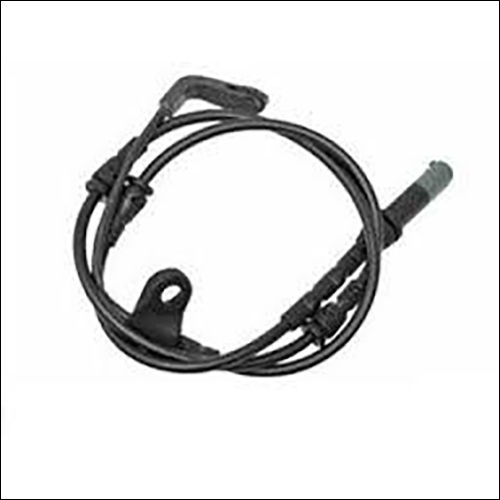
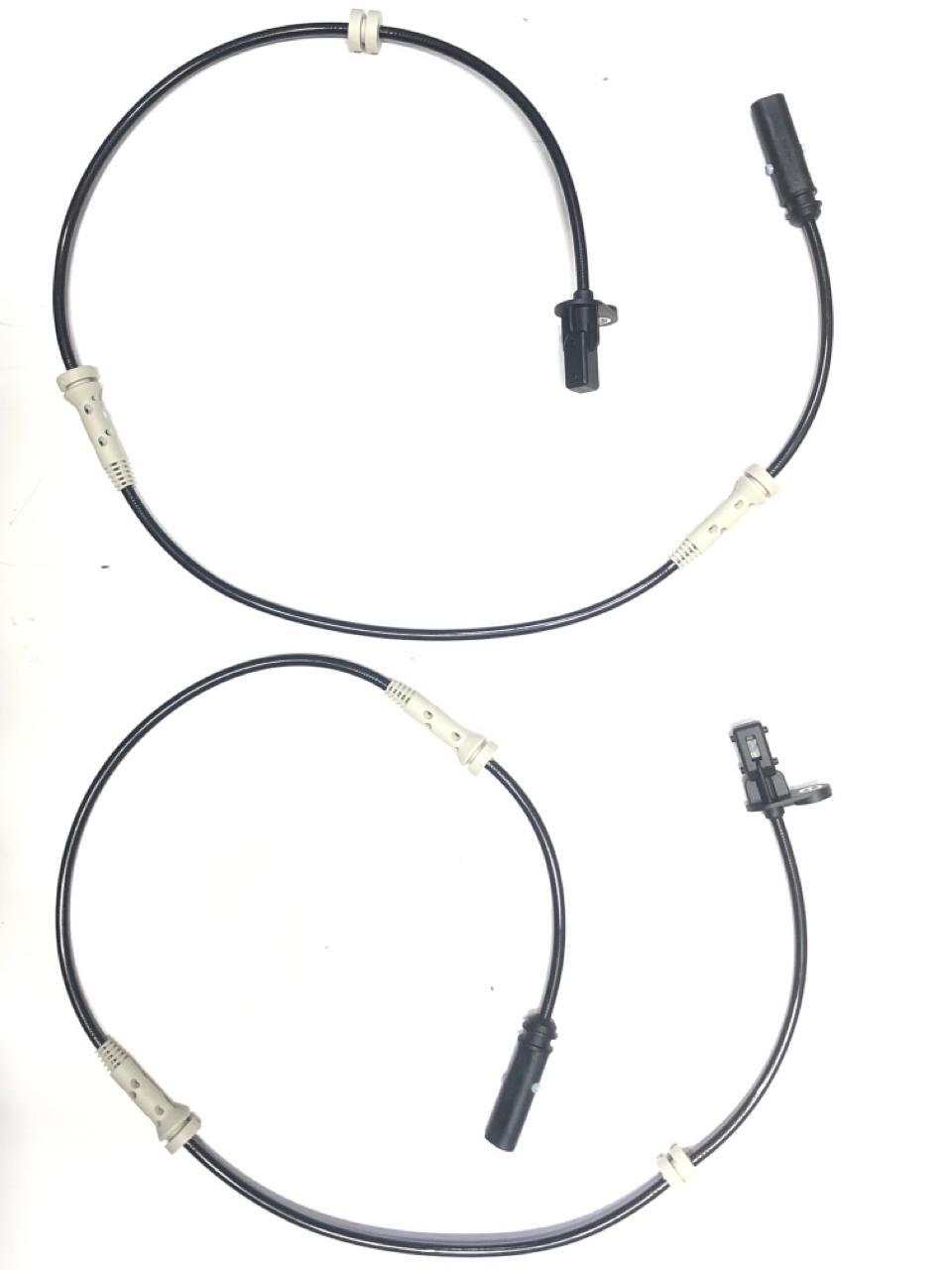
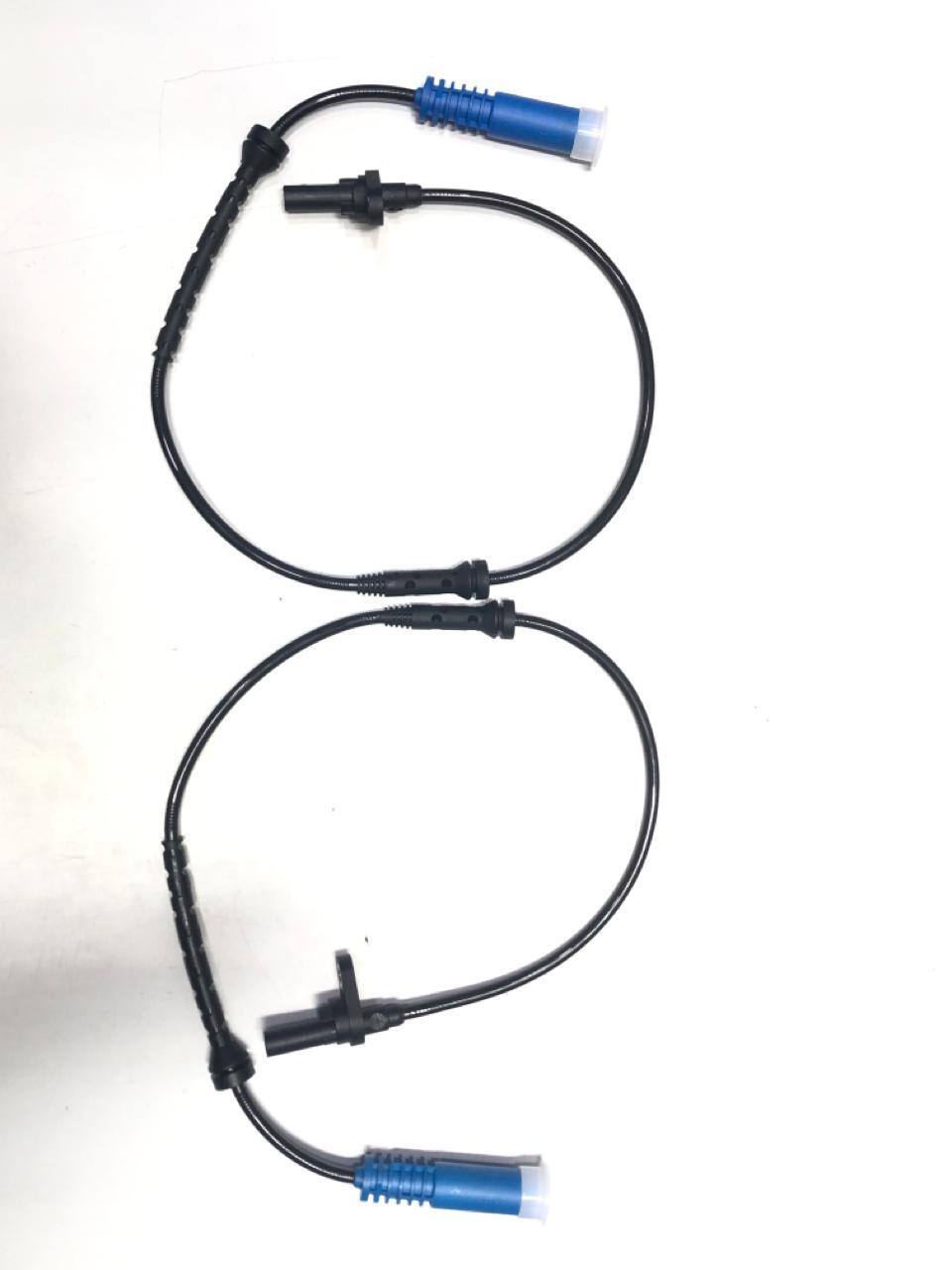
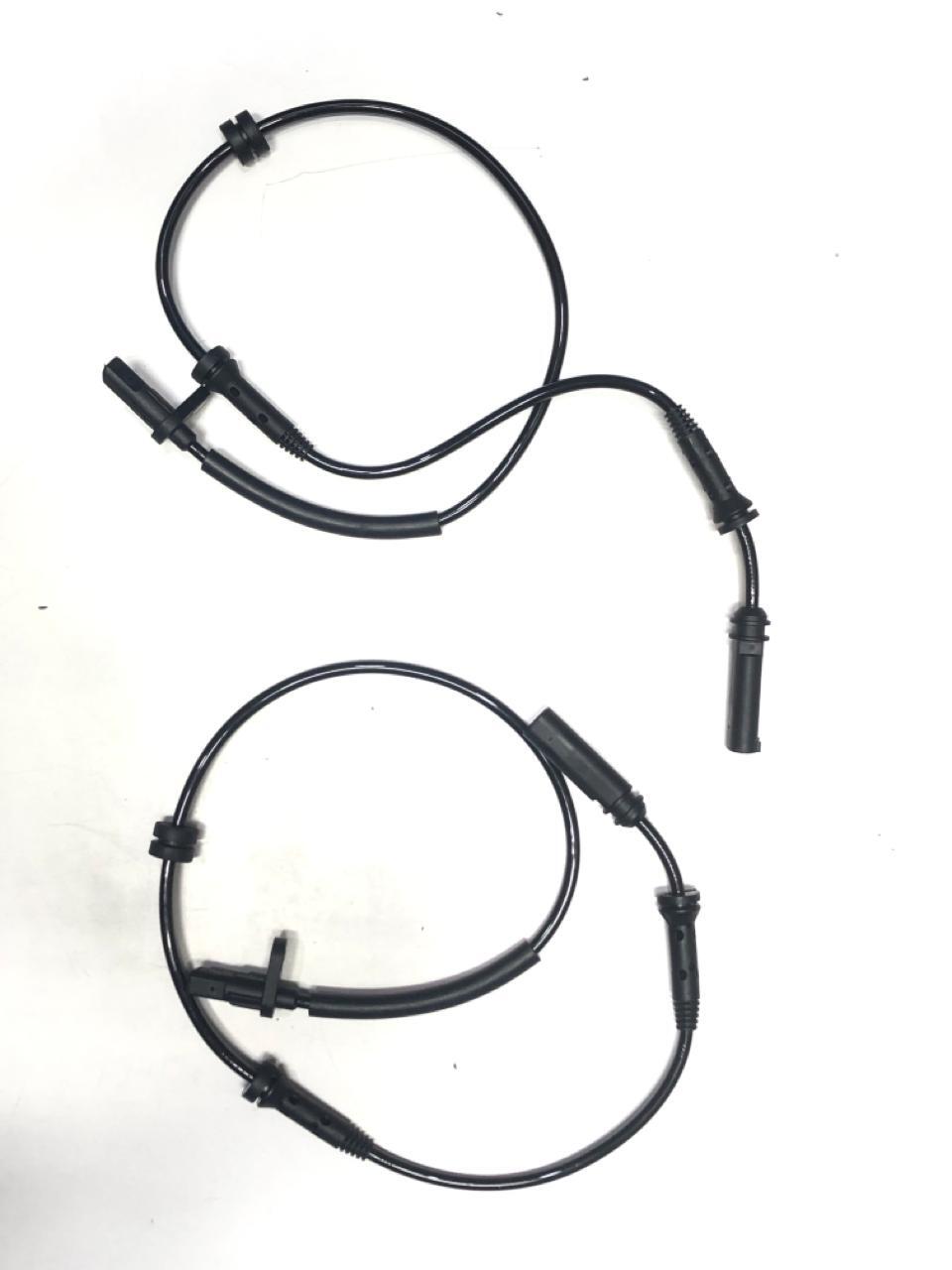
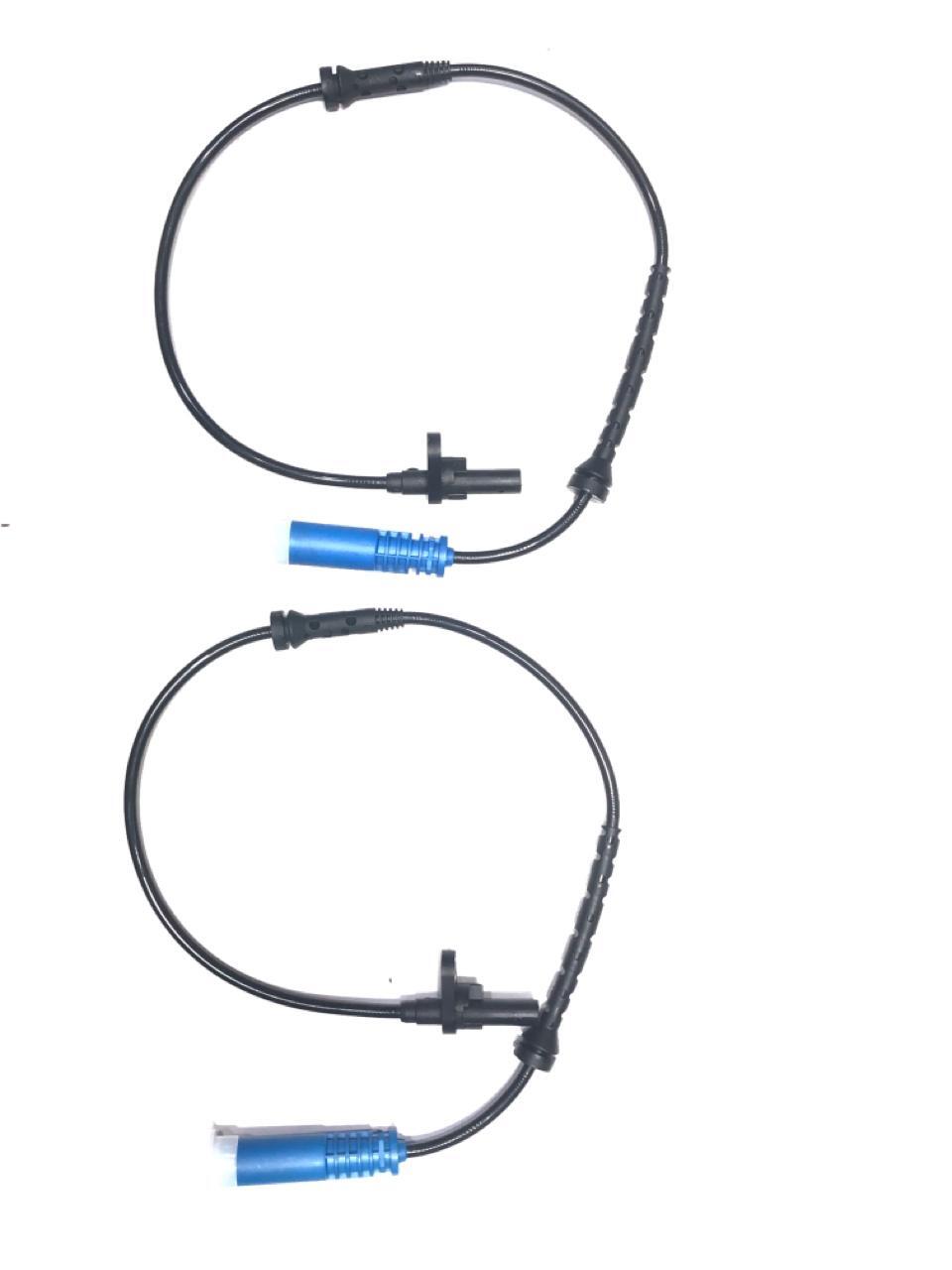
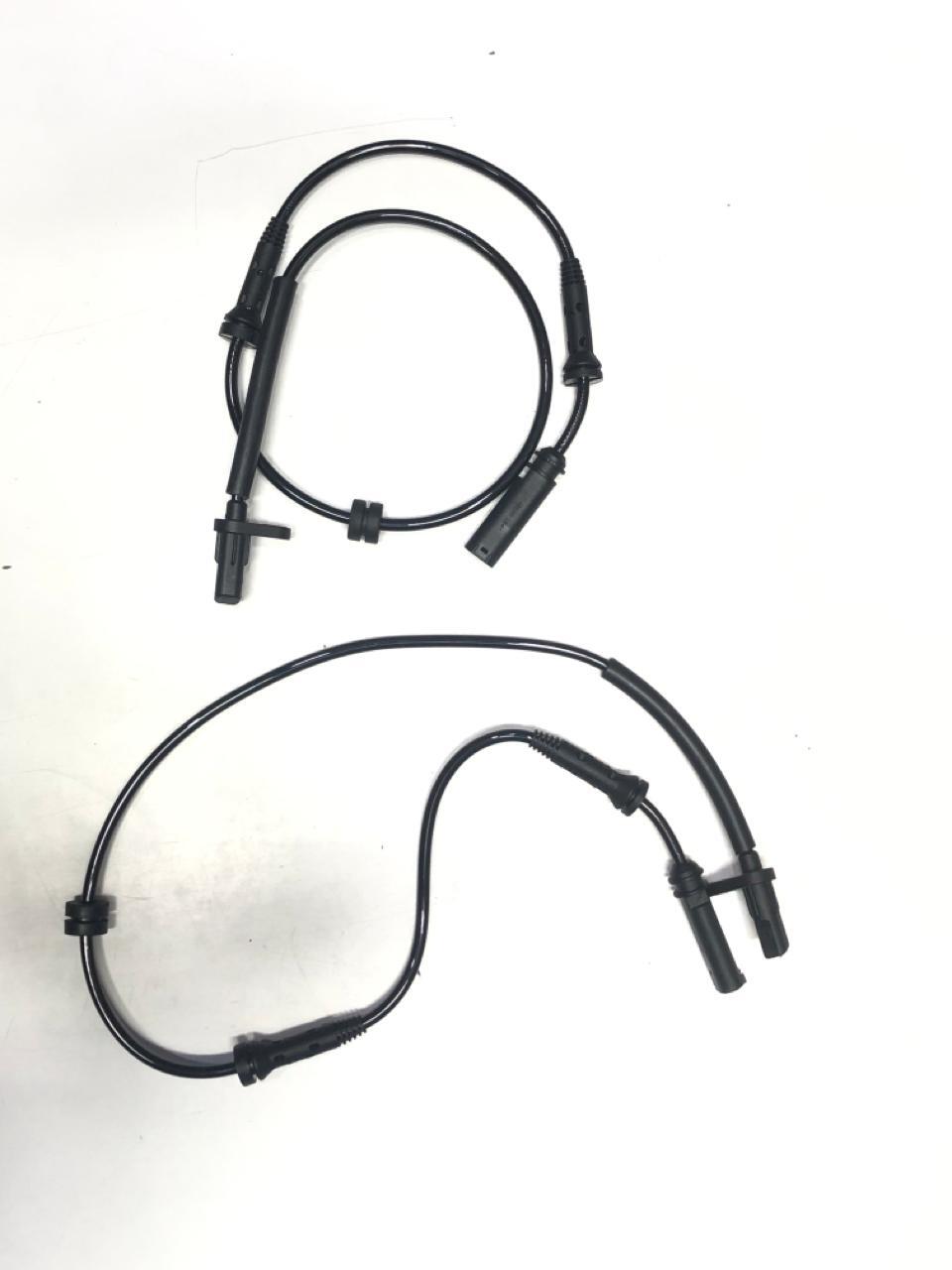

Car ABS Sensor Front and Rear Specification
- Temperature Range
- -40C to +125C Celsius (oC)
- Weight
- 180 g (approx) Kilograms (kg)
- Display Type
- No direct display (ECU-integrated)
- Color
- Black
- For Use In
- Automobile ABS Braking System
- Dimension (L*W*H)
- Standard OEM Fit Millimeter (mm)
- Vehicle Type
- Passenger Cars, Light Commercial Vehicles
- Part Type
- ABS Wheel Speed Sensor
- Noise Level
- Silent operation db
- Corrosion Resistant
- Yes
- Product Type
- Car ABS Sensor Front and Rear
- Size
- OEM Standard
- Lubrication Type
- Non-lubricated
- Working Life
- Over 50,000 km Months
- Material
- High-Grade Plastic and Metal Alloy
- Surface Treatment
- Anti-Corrosive Coating
- Model No
- ABS-FR/RR-2024
- Connecting Type
- Plug-in Connector
- Finish
- Matte and Polished
- Operating System
- Electronic/Vehicle Integrated
- Method
- Sensor-Based Detection
- Output Signal
- Digital Square Wave
- Cable Length
- Standard OEM
- OEM Compatibility
- Yes (Direct Replacement)
- Input Voltage
- 5V - 12V DC
- Sensor Placement
- Front Right / Rear Left / Rear Right
- Ingress Protection
- IP67
- Connector Material
- High-Temperature Plastic
- Resistance
- 850-1150 Ohm (approx)
- Number of Wires
- 2-Wire/3-Wire Depending on Model
- Installation
- Bolt-on, Standard Mount
- Fault Detection
- Self Diagnostic Supported
Car ABS Sensor Front and Rear Trade Information
- Minimum Order Quantity
- 1 Piece
- Payment Terms
- Cash Against Delivery (CAD), Cash on Delivery (COD), Cash Advance (CA), Cash in Advance (CID), Cheque, Delivery Point (DP)
- Supply Ability
- 1000 Pieces Per Day
- Delivery Time
- 1 Days
- Packaging Details
- cardboard box and cover with sack
- Main Domestic Market
- All India
About Car ABS Sensor Front and Rear
ABS Senser. Mercedes Benz car ABS Senser. BMW Car ABS Senser.- Location: Mounted near the front wheels, usually at the hub or brake rotor.
- Function: Monitors the rotational speed of the front wheels. In many vehicles, the front sensors are more prone to wear because the front wheels do most of the braking work.
- Symptoms of Failure:
- ABS warning light on the dashboard.
- Reduced braking performance.
- Pulsating brakes.
- Inaccurate speed readings.
2. Rear ABS Sensors
- Location: Positioned at the rear wheels, near the wheel hub or rear axle.
- Function: Measures the speed of the rear wheels and transmits the data to the ABS control unit.
- Symptoms of Failure:
- ABS warning light.
- Difficulty in maintaining control during hard braking.
- Traction control issues.
Precision Fit and Easy Installation
This ABS sensor is specifically engineered for standard OEM fitment, allowing straightforward replacement for existing sensors on the front right, rear left, or rear right wheels. The bolt-on design and plug-in connectors ensure a hassle-free installation, maintaining the integrity of your vehicles braking system without the need for modifications.
Advanced Durability and Protection
Constructed from high-grade plastic and metal alloy, the ABS sensor is protected by a matte and polished anti-corrosive coating and uses high-temperature plastic connectors. Its IP67 ingress protection rating and operation within -40C to +125C temperature ranges make it suitable for challenging driving environments.
Superior Performance and Safety
Delivering accurate, real-time wheel speed data via digital square wave signals to your vehicles ECU, this sensor supports self-diagnostic fault detection. It operates quietly and is designed to function seamlessly over a working life exceeding 50,000 km, offering peace of mind and enhanced safety in various road conditions.
FAQs of Car ABS Sensor Front and Rear:
Q: How is the Car ABS Sensor installed on my vehicle?
A: The sensor follows a bolt-on, plug-in process using OEM-standard mounting points and cable lengths. Simply replace your existing front right, rear left, or rear right sensor with this direct-fit unit. No special tools or modifications are needed.Q: What benefit does the self-diagnostic feature provide?
A: The self-diagnostic function helps the vehicles ECU detect sensor faults automatically, supporting timely maintenance and ensuring ABS performance and safety are not compromised.Q: When should I replace my ABS sensor?
A: Replacement is recommended if you detect ABS warning lights, unusual braking responses, or as specified in your vehicles maintenance schedule, especially after 50,000 km of usage or exposure to severe conditions.Q: Where can this ABS sensor be used?
A: This model is suitable for passenger cars and light commercial vehicles as a direct OEM replacement on the front right, rear left, or rear right wheels. It is designed for compatibility with ABS braking systems used in Indian automotive markets.Q: What process does the sensor use to detect wheel speed?
A: The sensor utilizes sensor-based detection, generating a digital square wave output in response to wheel movement. This signal is sent to the vehicles ECU, aiding effective ABS function.Q: Which vehicles is this sensor compatible with?
A: Designed with OEM dimensions and specifications, this ABS sensor fits most passenger cars and light commercial vehicles equipped with compatible ABS systems. Always confirm with your vehicles manufacturer or service provider for exact compatibility.Q: What material is used in the construction of the sensor?
A: The sensor is made from high-grade plastic and metal alloy, featuring a high-temperature plastic connector and an anti-corrosive coating, ensuring longevity and resistance to harsh environments.- Minimum Order Quantity
- 1 Piece
- Supply Ability
- 1000 Pieces Per Day
- Delivery Time
- 1 Days
- Main Domestic Market
- All India
 Get Latest Price
Tell us about your requirement

Price:
Quantity
Select Unit
- 50
- 100
- 200
- 250
- 500
- 1000+
Additional detail
Mobile number
Email

More Products in Car ABS Sensor Category
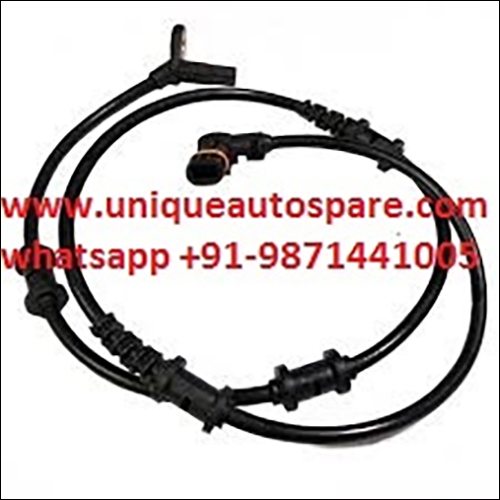
Mercedes Benz Speed Sensor
Minimum Order Quantity : 1 Piece
Warranty : Working
Model No : 5445577745
Product Type : Mercedes Benz Speed Sensor
Material : Wire
For Use In : Cars

UNIQUE AUTO SPARES
Audi Parts, BMW Parts, Mercedes Parts, Land Rover Parts Parts
Audi Parts, BMW Parts, Mercedes Parts, Land Rover Parts Parts
|


J-99, A R D Complex, R K Puram,New Delhi - 110066, India
Phone :08045804095
 Send Inquiry
- Volvo Car Arm
- Volvo Car Suspansion Arm
- Luxury Car Parts Supplier
- BMW Car Parts Dealer
- Audi Car Parts, Audi Spare Parts & Audi Car Accessories
- German Car Parts, German Car Spare Parts & German Parts
- BMW Car Parts, BMW Car Spare Parts and BMW Car Accessories
- Jaguar Car Parts
- Mitsubishi Parts Supplier in Delhi
- Honda Parts
- Land Rover Parts Suppliers - Range Rover Spare Parts
- Range Rover Parts
- Mercedes Car Air Suspension - Airmatic Shocker for Mercedes Benz Cars
- BMW Car Water Pump
- Volvo Car Parts and Volvo Car Spare Parts
- Mercedes Car Parts - Spare Parts for Mercedes - Mercedes Body Parts
- BMW Air Suspension Parts
- Car Airmatic Shocker Suspension
- Car Airmatic Pump & Air Suspension Pump
- Mercedes Car Parts - Spare Parts for Mercedes Benz Car
- Car Radiator Fan
- BMW Genuine Car Parts
- Airmatic Shock Absorbers
- Car Airmatic Shocker Balloons - Air Springs
- Car AC Compressor
- Original Car Parts Suppliers
- Mercedes Car Water Pump
- Car Oil Cooler
- Car ABS Sensor
- Car Fuel Pump - Diesel Pump
- Car Airmatic Valve - Air Suspension Valve Block
- Car Coolant Bottle and Car Water Bottle
- Luxury Car Brake Pad - Brake Disc Pads for Luxury Cars
- Mercedes Part Fuel pump
- Car Air Suspension - Airmatic shocker - Airmatic Shocker Balloon
- Car 12V Battery
- Track Lower Control Arm - Car Lower Arm & Car Upper Arms
- Car Alternator - Car AC Compressor - Car Air Conditioning Parts
- Car Air blower - AC Blower Fan
- Mercedes Car Used Parts
- BMW Used Car Parts
- Audi Q7 Air Suspension - Audi Q7 Engine Parts & Au
- Porsche Car Parts & Porsche Spare Parts Dealer
- Car Shocker
- BMW X1 Front Shoker
- BMW car Shocker
- BMW Car Shocker
- BMW Car shocker
- Mecedes Benz Car Shocker
 Send Inquiry
 Send SMS
UNIQUE AUTO SPARES
All Rights Reserved.(Terms of Use)
Developed and Managed by Infocom Network Private Limited.
Developed and Managed by Infocom Network Private Limited.

